
Table of Contents
Global business strategy in emerging markets is never static. It keeps on changing. The trend is the same in 2026 as well. Emerging markets are considered among the most promising sectors not only for low-cost production but also for budding technology, manufacturing, services, digital commerce, and innovation.
However, in terms of global business strategy in emerging markets, a business entering an emerging market faces new challenges, including new trade policies, AI intervention, redesigned supply chains, climate risks for production, and more. The complexity of the business landscape demands aggressive strategic planning.
From a Global perspective, success in emerging markets for a brand requires more than the tenacity and bandwidth to enter a large market. Companies need to understand local consumers, regulations, technology, infrastructure, and geopolitical conditions to succeed there.
Here are some major trends shaping global business strategy in emerging markets in 2026.
1. Supply Chain Diversification Is Becoming a Strategic Priority
Global companies are rethinking how and where they manufacture products with quality against lower cost. Trade tensions and geopolitical risks have exposed the weaknesses of highly concentrated supply chains.As a result, companies are looking for multiple production and sourcing locations in emerging markets business strategy.
Emerging markets are becoming part of this strategy. Southeast Asia, India and other developing economies are attracting businesses seeking alternative manufacturing and sourcing bases. The IMF notes that Southeast Asia has become increasingly important as companies diversify supply chains.
This global business strategy in emerging markets trend creates opportunities for emerging markets with suitable infrastructure and skilled labour.Businesses are therefore focusing on:
- Multiple Sourcing Locations.
- Regional Manufacturing Hubs.
- Local Supplier Development.
- Flexible Logistics Networks.
- Better inventory planning.
The latest global business strategy is nowadays shifting from the lowest cost to cost plus resilience. It is one of the best for brand recognition.
2. Artificial Intelligence (AI)is Shifting Competitive Advantage
Artificial intelligence is becoming an important part of global business strategy.Its influence extends beyond technology companies. Manufacturing, banking, healthcare, retail, logistics and professional services are adopting AI-based systems.
Emerging markets are now acting as an integral part of the AI value chain. Countries integrated into technology manufacturing and digital services can benefit from rising AI-related demand.
The IMF’s July 2026 outlook specifically has identified AI-driven demand as an important factor supporting economies connected to the global technology value chain.
For businesses, it means, AI strategy cannot remain separate from market strategy. AI integration is becoming a global strategy for emerging markets.
Companies may use AI to:
- Analyse consumer behaviour.
- Automate routine processes.
- Improve customer service.
- Forecast demand.
- Optimise supply chains.
- Support business decisions.
The larger question is access. Companies need reliable digital infrastructure, skilled workers and responsible data practices to gain these benefits.
3. Digital-First Markets are Expanding
Digital adoption is changing how companies reach customers in emerging markets.Consumers are increasingly comfortable with mobile commerce, digital payments and online services. This allows businesses to enter markets without building large traditional retail networks.
The Asia continent works as a premium example. According to the IMF’s September 2026 analysis, Southeast Asia’s digital economy surpassed $300 billion in 2025 and that digital payments will be accounted for more than 60% of payments. This global strategy for emerging marketscreates new possibilities for global companies. A digital-first strategy can include:
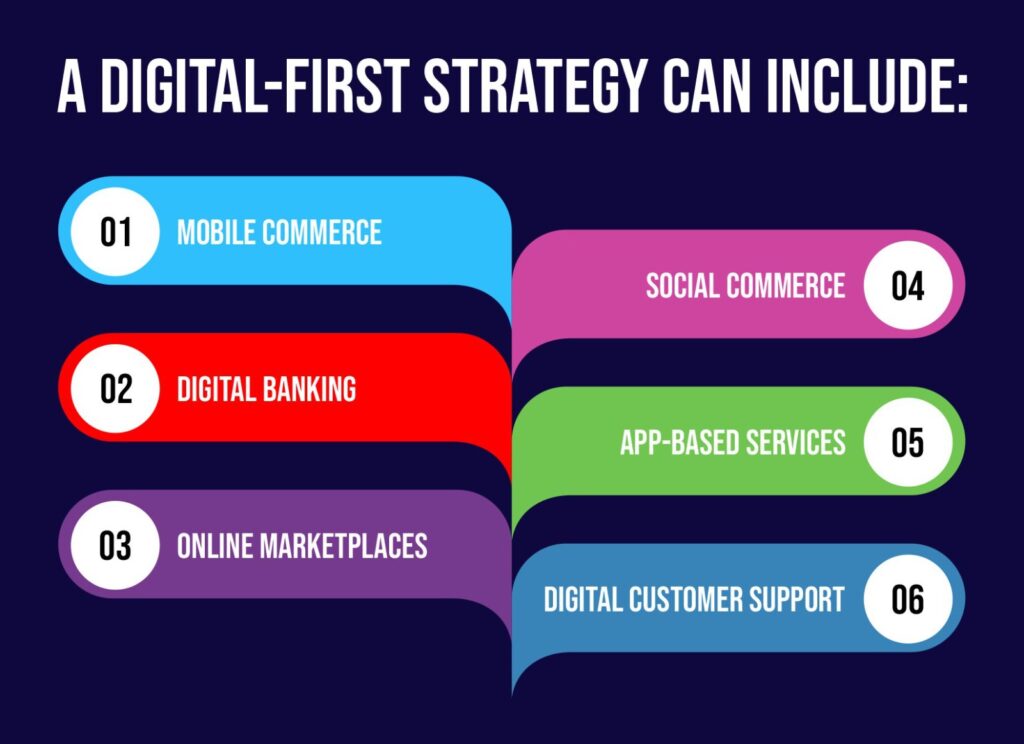
- Mobile commerce.
- Digital banking.
- Online marketplaces.
- Social commerce.
- App-based services.
- Digital customer support.
However, companies should not assume that one digital model will work everywhere. Internet access, payment habits and consumer behaviour differ between countries.
4. Localisation Is not a choice:it removes One-Size-Fits-All Strategies
A global brand does not automatically become a successful local brand.
Emerging markets often have distinct consumer preferences. Income levels also vary significantly within the same country.
Companies therefore need to adapt their products, pricing, and marketing to local conditions and it is one of the global business strategies in emerging markets. Localisation may involve:
- Product Modifications.
- Local-Language Communication.
- Regional Pricing.
- Local Payment Methods.
- Country-Specific Distribution.
- Partnerships With Local Businesses.
This is particularly important for consumer-dealing companies. A product designed for a developed market may require significant changes before it suits as an emerging markets business strategy. Local research can reveal those differences before a major investment is made.
Raed More:- DBA Degree Benefits: A Smart Career Investment
5. South-South Trade Is Gaining Strategic Importance
Global business is not limited to trade between developed and developing economies.
Trade between emerging economies is becoming increasingly important. The recent BRICS summit in New Delhi emphasised trade facilitation, digital services, local-currency transactions, and global value chains.
This global business strategy trend reflects an expanded approach toward more diversified trading relationships. For businesses, South-South trade can create multiple opportunities in the following sectors:
- Manufacturing.
- Agriculture.
- Pharmaceuticals.
- Digital services.
- Infrastructure.
- Engineering.
- Energy.
Companies can therefore look beyond traditional export markets.Emerging markets can also become customers, suppliers and investment destinations at the same time. It is an important the global business strategy in emerging markets.
Read More:- MBA in Digital Transformation: Master Digital Leadership
6. Regional Partnerships are Turning More Impactful
It may be challenging for a company to enter an emerging market on its own. Local partners can provide knowledge about regulations, consumers, distribution networks, and business practices. They can also help international companies build trust. Partnership models may include the following:
- Joint Ventures in Business.
- Local Distributors network establishment.
- Technology Partnerships for better leverage.
- Supplier Agreements for robust Supply Chain.
- Franchise Arrangements.
- Strategic Alliances.
The steady and profitable partnership depends on the concerned industry and the target market.
However, due diligence remains essential. Companies should examine the partner’s financial position, reputation, ownership structure, and compliance record.
7. Sustainable Business Is the latest marketing trend – Part of Market Strategy
Sustainability is now a market trend, not just a corporate reporting issue anymore.
Climate risks can directly affect operations in emerging markets. Extreme weather can disrupt agriculture, manufacturing, transport and energy supplies.
The financing challenge is also significant. Emerging and developing economies need substantial external funding for climate mitigation and adaptation. At the same time, higher financing costs can invest harder.
Businesses for that reasons need to consider resilience alongside growth.
This can involve:
- Renewable Energy.
- Energy-Efficient Facilities.
- Sustainable Sourcing.
- Water Management.
- Climate-Resilient Infrastructure.
- Lower-Carbon Logistics.
Sustainability can become both a risk-management tool and a source of operational efficiency.
Read More:- PhD Research Topic: How to Choose the Right Research Area
8. Investment Strategies are Becoming More Selective
Emerging markets offer opportunities, but they also carry country-specific risks.
Political conditions, currency movements, inflation, regulations, and infrastructure can differ widely.
Recent market developments show this clearly. Vietnam’s inclusion in FTSE Russell’s emerging-market indexes reflects reforms aimed at improving access for international investors. The phased inclusion is expected to take place through 2027 as a global business strategy in emerging markets.
At the same time, ASEAN markets have shown considerable differences in performance and investor sentiment. This trend highlights the importance of analysing individual countries rather than treating an entire region as a single market. Businesses should therefore assess markets individually.Important considerations include:
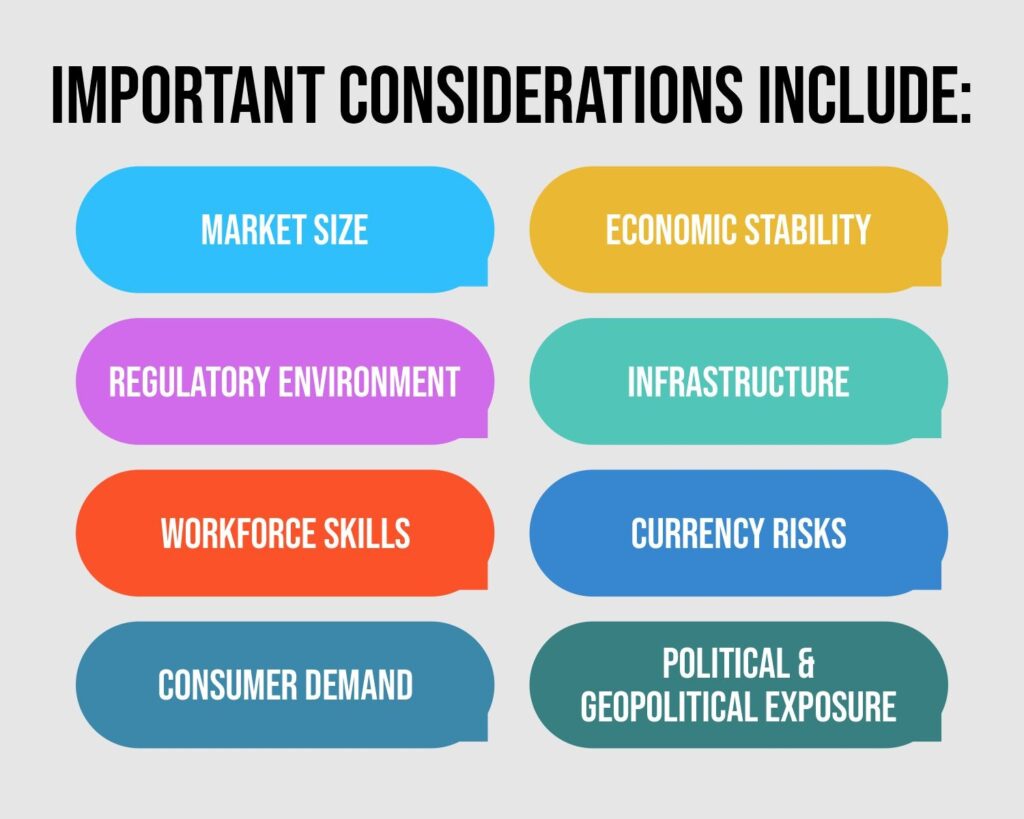
- Market Size.
- Economic Stability.
- Regulatory Environment.
- Infrastructure.
- Workforce Skills.
- Currency Risks.
- Consumer Demand.
- Political & Geopolitical Exposure.
9. Local Talent Is Becoming a Competitive Asset
Emerging markets offer more than cost advantages. Many have expanding pools of technical, managerial and entrepreneurial talent.Technology growth is increasing demand for workers with digital and analytical skills.
Global companies can benefit by developing local talent rather than depending entirely on expatriate employees as a global business strategy in emerging markets.
This can involve:
- Leadership Development.
- Technical Training.
- Digital Skills Programmes.
- Local Management Teams.
- University Partnerships.
- Internal Career Development.
A strong local team can also help a company understand the market better.
10. Geopolitical Risk is Entering the Boardroom
Geopolitics has become a business issue.Trade restrictions, conflicts, sanctions, tariffs and changing alliances can affect costs and market access. The IMF has highlighted geopolitical fragmentation, trade tensions and policy uncertainty as important risks for the global economy.

Businesses therefore need stronger risk planning.A global business strategy should consider different scenarios.For example:
- What happens if tariffs increase?
- What if shipping routes are disrupted?
- What if a supplier becomes unavailable?
- What if currency volatility increases?
- What if regulations change?
Scenario planning can help companies respond faster when conditions change. It is a global business strategy in emerging markets entry and grabbing the market.
Read More:- Domestic HRM vs International HRM: Scope and Challenges
11. Emerging Markets are Becoming Innovation Hubs
Innovation is not moving in only one direction: this is a general market trend.Emerging markets are developing their own solutions in fintech, digital payments, mobility, healthcare, agriculture and commerce.
Some of these solutions can later be adapted for other markets.
This creates an interesting opportunity for global businesses. Instead of simply exporting products to emerging markets, companies can learn from innovations developed there.
This approach can produce:
- Lower-cost products.
- New service models.
- Flexible payment solutions.
- Mobile-first experiences.
- Scalable technologies.
As a result, the relationship is becoming more two-way.
12. Resilience Is Becoming a Core Business Strategy
Perhaps the biggest trend of 2026 is the growing importance of resilience.
Businesses can no longer build strategies around stable conditions. Trade disruptions, technology changes, geopolitical tensions and climate risks can quickly change market conditions.
Resilient companies tend to build flexibility into their operations.
That means:
- Diversifying suppliers.
- Maintaining alternative logistics routes.
- Building digital capabilities.
- Developing local partnerships.
- Monitoring market risks.
- Creating contingency plans.
Resilience does not mean avoiding risk. It means preparing for change.
Read More:- Earning a Degree While Working Full-Time: Study Smart
Conclusion
The global business strategy for emerging markets in 2026 is being shaped by technology, supply chain diversification, digitalisation, sustainability and geopolitical change.
The old approach was simple: enter a promising market and pursue growth.
The new approach is more thoughtful.
Companies need to understand local conditions while maintaining global capabilities. They need technology without losing human judgment. They need efficiency without sacrificing resilience.Most importantly, they need flexibility.
Emerging markets are becoming important contributors to the next phase of global business. Companies that study these markets carefully, build local capabilities, and prepare for uncertainty can develop aglobal business strategy that is better suited to a changing global economy.
FAQs
1. What is the best global business strategy in emerging markets?
There is nothing called the he best global business strategy in emerging markets. However, the most practices policies are the planning for business operations across developing economies while considering local consumer needs, regulations, competition, culture, economic conditions, and market opportunities for the best effect.
2. Why are emerging markets important for global businesses?
Emerging markets offer growing consumer bases, expanding industries, rising incomes, new investment opportunities, and access to resources that can support long-term international business growth.
3. What are the prime challenges of entering emerging markets?
There are many challenges. Some of the prime challenges are regulatory uncertainty, infrastructure gaps, cultural differences, currency fluctuations, political risks, supply chain issues, strong competition from established local companies, etc.
4. How can businesses adapt their strategies to emerging markets?
Companies can adapt multiple policies. Out of these policies, some of the most used are through local market research, flexible pricing, regional partnerships, customised products, culturally relevant marketing, local talent, and strategies aligned with regulations.
5. What are the key trends in global business strategy in emerging markets in 2026?
Key trends in in global business strategy include digital transformation, artificial intelligence, sustainable business practices, regional supply chains, fintech growth, changing consumer behaviour, and increasing demand for localised products.