
Strategic Project Leadership is the combination of multiple qualities in a project leader. It is a balanced combo of strategic planning talent, problem-solving skills, and leadership ability. Professionals who aspire to lead a team, solve project challenges, adhere to deadlines, and deliver measurable results in one go.
A project is not always an easy journey. It often includes multiple hiccups, such as changing priorities, limited budgets, communication gaps, and unexpected risks. An expert, trained leader can help the team overcome hurdles with professional skill, contributing to the organization’s long-term growth. This is called strategic project leadership, and here we have explained how a professional can use project leadership strategiesto contribute to successful project management.
1. Understand the Strategic Purpose of Every Project
Every project begins with a specific purpose. Project Leaders need to understand the project purpose and how it supports the organization‘s business objectives.
A project may have several goals. It may aim to improve customer satisfaction, reduce operating costs, introduce a new product, or increase market reach. Without a clear purpose, teams may focus on completing tasks without understanding the expected business outcomes.
Strategic project leaders connect daily activities with broader organisational goals. They ensure that project teams understand what they are working towards and why their contributions matter.
For example, a company planning to introduce a new customer service platform must consider more than the technical installation. The project should also address customer experience, employee training, operational efficiency, and long-term business value.
Tips to Establish Strategic Project Direction
- Define project Objectives: Identify the business problem and establish specific project goals. Make sure everyone understands the expected outcomes.
- Set Quantifying KPIs: Use relevant indicators to track progress. These may include delivery time, customer satisfaction, cost savings, and productivity improvements.
- Identify Stakeholder Expectations: Understand the needs of senior management, employees, customers, and other stakeholders.
- Connect Tasks with Business Priorities: Ensure that every major activity contributes to the project’s objectives.
A well-defined strategic direction helps teams make informed decisions. It also reduces confusion and keeps project activities aligned with business priorities.
When leaders understand and follow the bigger picture, they can guide their teams beyond routine task completion through their strategic project leadership.
2. Develop Strong Planning and Decision-Making Skills
Strategic project leadership is based on careful planning and sound decision-making based on project leadership strategies. A project may have planned with ambitious goals, but discrepancy in planning can lead to delays, budget overruns, and inefficient resource allocation.

The project leaders should come forward here with strategic leadership in project management skill. Project leaders need to prepare a practical roadmap before they start rolling the project. This roadmap should identify the project’s scope, milestones, timelines, responsibilities, and resource requirements.
However, project planning should not be fixed on a fixed framework. Business conditions may change quickly. Flexibility and adaptability of the leaders can overcome the challenges, no matter how complex they are.
How To Improvise the Planning Method?
- Break Projects into Phases: It is a smart idea to divide large projects into smaller, achievable tasks.
- Prioritise Critical Tasks: Focus on activities that drive project completion.
- Evaluate Options: A leader can compare solutions based on cost, time, risk, and value.
- Use Data for Decisions: the research/analysis on KPIs, reports, feedback, and financial data can help a lot.
- Plan for Contingencies: It is a necessity to anticipate possible risks and prepare backup plans.
Strategic project leadership requires careful planning and sound decision-making. A project may have ambitious goals, but poor planning can lead to delays, budget overruns, and inefficient resource allocation.
Project leaders must develop a practical roadmap before executionbegins. This roadmap should identify the project’s scope, milestones, timelines, responsibilities, and resource requirements.
Read Also:- AI Tools for Doctoral Research
3. Build High-Performing Teams Through Effective Leadership
Projects become successful when people work together. There is nothing called the best plan. Leadership helps a team to perform as a skilled, motivated group to deliver results.
Effective project leadershipalways inspire collaboration. They indulge clear communication and follow the policy of accountability as part of project leadership strategies. They encourage employees to share ideas, solve problems, and take ownership.
Strategic leaders build cohesive teams that stay focused on common goals and drive project success.
Ways to Strengthen Project Team Performance
- Define Clear Roles: Assign responsibilities and ensure accountability.
- Encourage Collaboration: It is a necessity to promote teamwork and idea-sharing for better result.
- Develop Skills: Provide training, mentoring, and guidance.
- Recognise Contributions: Leaders should celebrate achievements and motivate teams.
- Resolve Conflicts: It is important to address differences with practical solutions.
Project leadership strategies recognise individual strengths and assign tasks accordingly. They have the natural talent to provide clear direction without micromanaging, allowing employees to take ownership of their work.
This entire process builds confidence, encourages independent thinking, and helps teams deliver better project outcomes.
Read Also:- Advanced AI & Data – Driven Decision Making for Managers
4. Master Risk Management and Adaptability
A project leader needs to stay alert for the hindrance of uncertainly in his project workflow. The problem of uncertainty may get triggered by the problems like unexpected expenses, changing consumer demands, resource shortages, etc. Moreover, sudden technical difficulties can affect project performance. Strategic leadership in project managementskillinvolves identifying these risks early and preparing suitable responses.
For instance, a new technology may initially seem expensive. However, it could reduce operating costs and improve productivity. A strategic leader can evaluate both the risks and benefits in advance.
Practical approaches to project risk management
- Identify Risks: It is helpful for project management to spot potential financial, operational, and technical risks.
- Assess Impact: A project leader should be able to evaluate the likelihood and consequences of risk.
- Plan Mitigation: Develop preventive measures and backup plans is a part of strategic project management.
- Monitor Risks: A successful project leader can review risks as project conditions change.
- Communicate Clearly: Share risks and corrective actions with stakeholders is a part of leader responsibility that keeps on the flow of strategic project leadership.
Adaptability and flexibility are equally important. Project leaders must respond to new information and be ready to alter the program’s workflow as and when required.
5. Improve Stakeholder Communication and Resource Management
Successful projects require the involvement of multiple stakeholders.Each stakeholder may have different expectations regarding project outcomes, budgets, deadlines, and quality standards.
Strategic project leadership includes the responsibility of maintaining clear communication and ensure that stakeholders remain informed throughout the project lifecycle. Resource management is another important responsibility. Projects operate within limits involving time, money, technology, and human resources.
Strategies for Better Communication and Resource Management
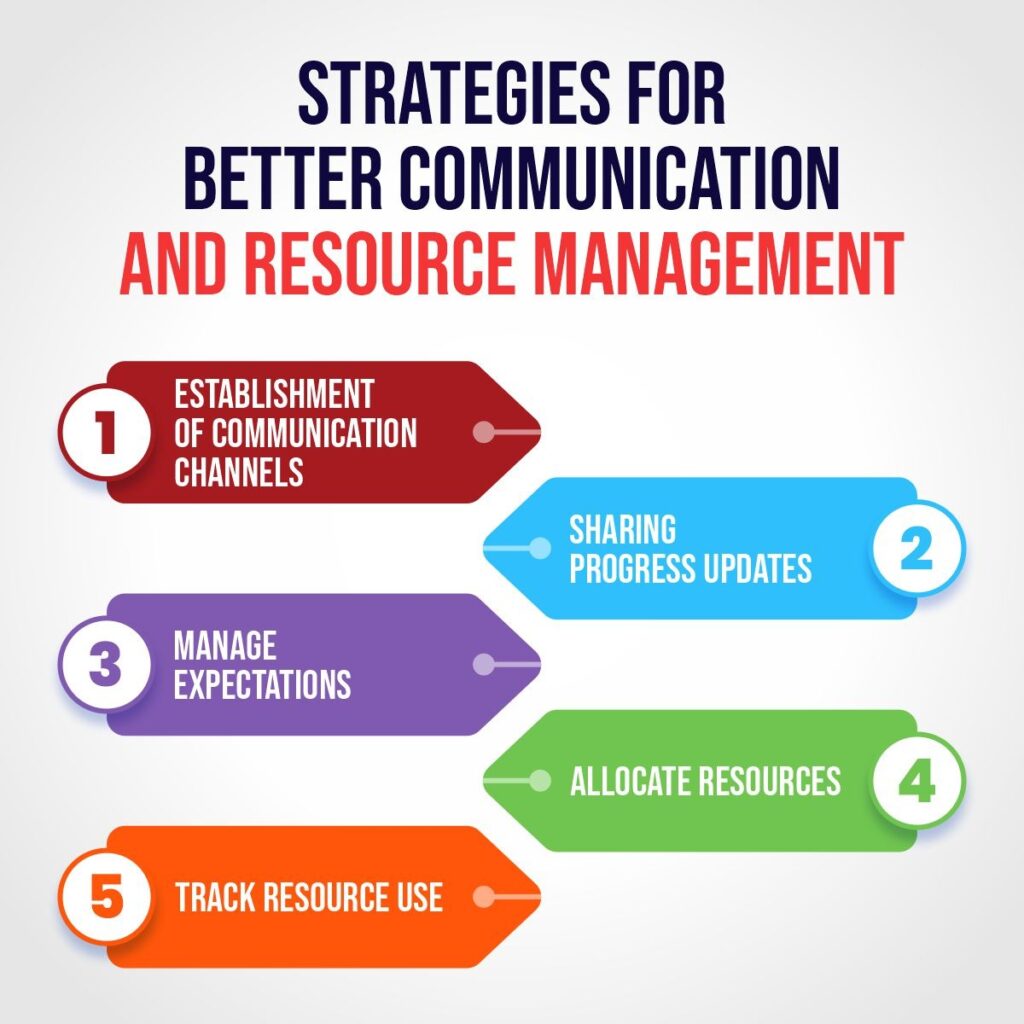
- Establishment of Communication Channels: Project leaders should set clear communication channels.
- Sharing Progress Updates: Regular reporting of milestones and challenges is a part of strategic project leadership.
- Manage Expectations: Clarify scope, timelines, and costs of a project is a major part of strategic project leadership.
- Allocate Resources: A strategic leader has the professional ability to assign resources based on priorities.
- Track Resource Use: Monitor budgets, workloads, and availability id a part of successful strategic project leadership.
Effective communication also requires active listening. Leaders should encourage stakeholders to share concerns and provide feedback as one of the most efficient project leadership strategies.This helps identify problems before they become serious obstacles.
By combining communication and resource management, professionals can improve coordination, reduce avoidable delays, and maintain stakeholder confidence.
Read Also:- Leadership in a Global Workplace
6. Measure Project Performance and Drive Continuous Improvement
Timeline adherence is a significant part of successful project management. It is a critical responsibility of strategic project leadership;however, it goes beyond meeting deadlines.
Leaders must evaluate whether the project achieved its intended business objectives. They should examine the quality of deliverables, customer satisfaction, financial outcomes, and long-term organisational value.
A project may finish on time and within budget but still fail to deliver the expected benefits. Performance measurement helps identify such gaps.It also provides valuable information for future projects.
Key practices for measuring project success
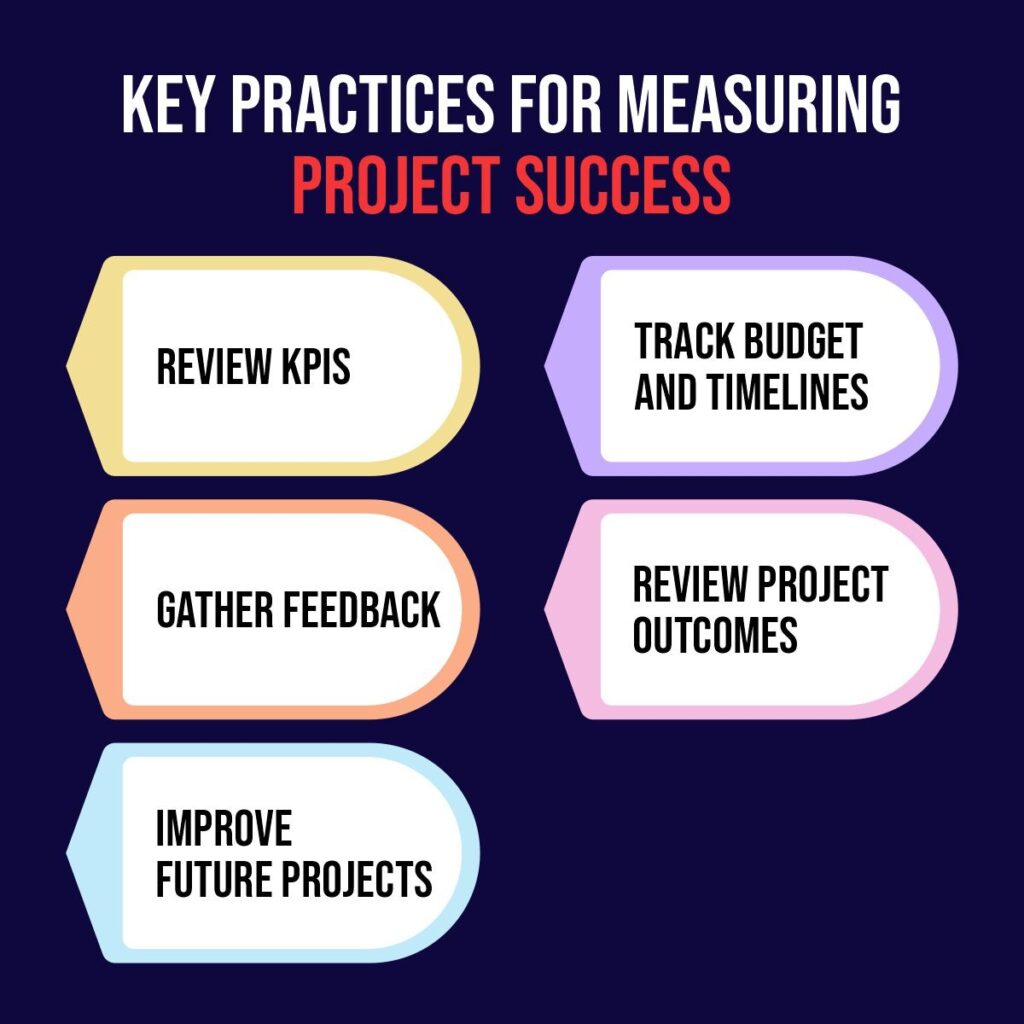
- Review KPIs: It is necessary to compare results with project targets.
- Track Budget and Timelines: The project leader should identify cost and schedule gaps to assess ROI.
- Gather Feedback: Effective project leadership always collect stakeholder opinions.
- Review Project Outcomes: The leader’s responsibility is to maintain project documentation for further critical assessment.
- Improve Future Projects: Apply lessons to enhance performance.
Continuous improvement requires leaders to create a learning-oriented environment. Teams should be encouraged to discuss mistakes and identify opportunities for improvement.
Project performance reviews also support strategic decision-making at the organisational level. They help management understand which initiatives create value and where additional investment may be necessary.
Read Also:- Strategic Project Leadership
Conclusion
Strategic project leadership is all about integrating business objectives with their proper execution. It requires professionals to think beyond deadlines and focus on long-term value, team performance, and, finally to reach at the organisation’s success.
From defining project goals and developing practical plans to managing risks and evaluating outcomes, every effective project leadershipresponsibility contributes to project performance.
Professionals who develop these capabilities can manage complex assignments with greater clarity. They can also improve stakeholder relationships, strengthen team collaboration, and support business growth.
In a competitive business environment, organisations need leaders who can turn strategies into measurable results.
Developing strategic project leadership skills can help you prepare for these responsibilities and expand your professional opportunities.
Advance Your Leadership Career with IIBM
Are you ready to take your project management and effective project leadership skillsto the next level?Explore the management and advanced business programs offered by IIBM Institute of Business Management. These programs can help working professionals and aspiring leaders strengthen their strategic thinking, management knowledge, and decision-making capabilities.
Now you should take the next step towards becoming a strategic leader: guide teams, manage complex projects, and create lasting business value with your strategic project management skills.
FAQs
1. Why is Strategic Project Leadership Significant for Business Growth?
Strategic Project Leadership improves resource utilisation, strengthens decision-making, manages risks, and ensures projects support long-term business goals and sustainable organisational growth.
2. What Skills Are Quintessential for Strategic Project Leaders?
Although there is no skill limit, Strategic Project Leaders must have Essential skills like strategic thinking, communication, leadership, problem-solving, risk management, decision-making, and stakeholder management to achieve project objectives.
3. Is Strategic Project Leadership Different from Project Management?
Project management focuses on execution, timelines, and budgets of a project. Strategic Project Leadership connects project outcomes with business strategy, organisational vision, and long-term value creation.
4. How can Professionals Develop Strategic Project Leadership Skills?
Professionals can develop Strategic Project Leadership skills through leadership training, project experience, strategic planning exercises, professional certifications, and advanced business management programs.