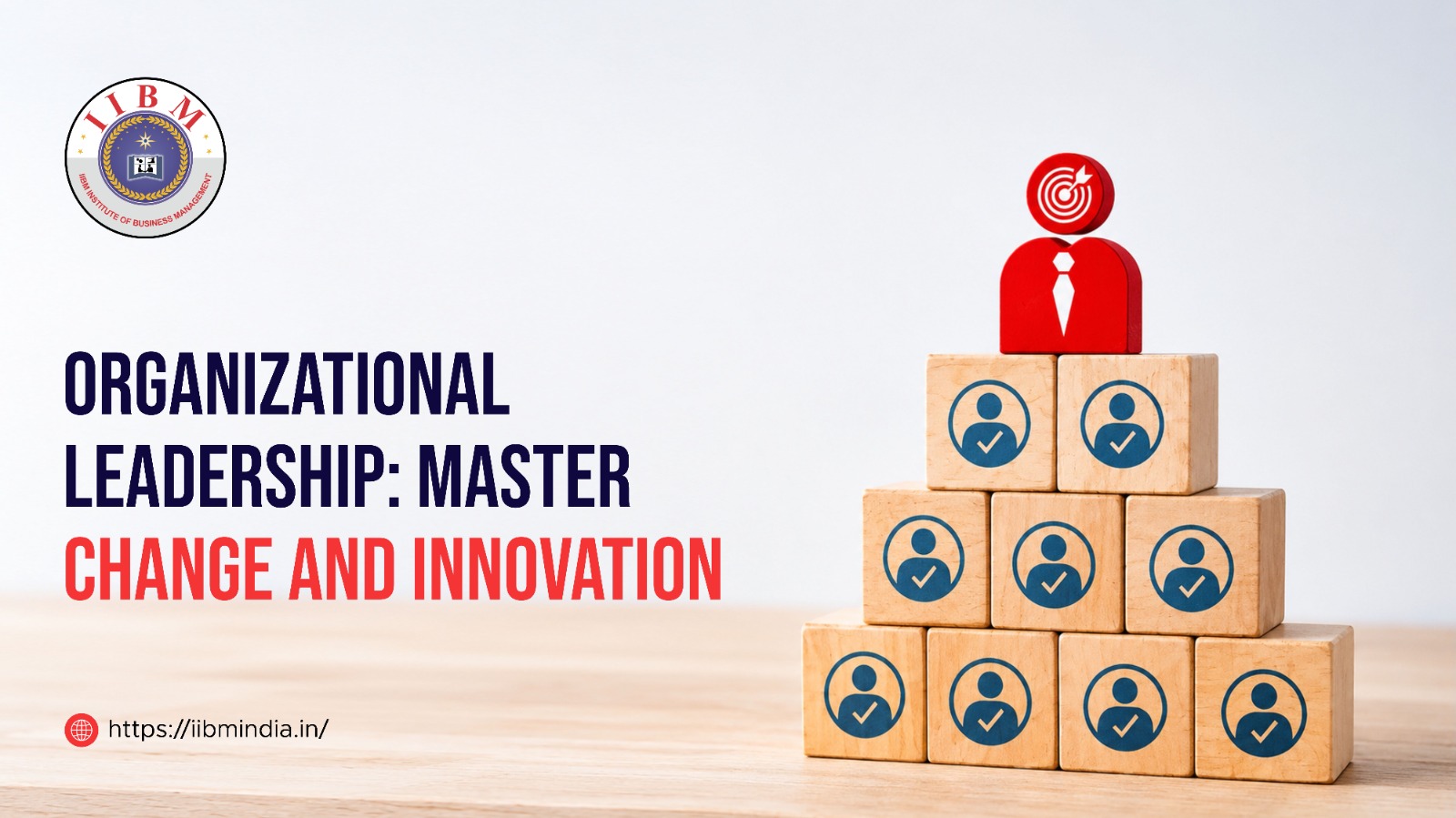
Organizational leadership is always the vital factor behind an organization’s success and growth, and its employee team’s success. With changes in workplace dynamics, the nature of Organizational leadership is also transforming into a new mould.
Modern leaders are expected to perform more than meet targets and manage teams. Now the leaders are assigned to inspire innovation, build resilience, and prepare organizations for the future. Now let’s discuss first what is organizational leadership.
Organizational leadership should help businesses adapt to change while maintaining a clear vision. Strong leadership creates a workplace that boosts growth, collaboration, and continuous learning.
It is a necessity for working professionals and students to understand that organizational leadership is a valuable career advantage for job market standard. It develops the skills needed to lead teams, manage transformation, and contribute to long-term business success.
Organizational Leadership And The Modern Workplace Dynamics
Instead of the traditional command-and-control leadership style, modern leadership has undergone a sea change. Nowadays, Organizational Leadership focuses on aligning people, processes, and goals. It creates a shared purpose that motivates employees to perform at their best.
What Are The Expected Qualities of Workplace Leaders?
There is no specificorganizational leadership guide. Organizational Leadership qualities may vary from one leader to another. However, the basic potentials an organization expects from its leaders are as follows.
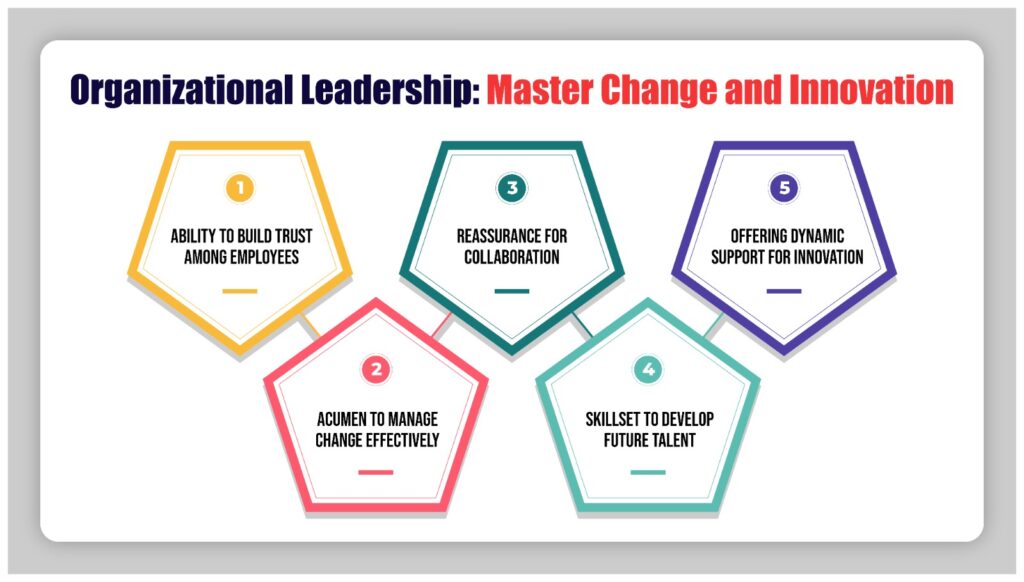
- Ability to build trust among employees
- Reassurance for collaboration
- Offering dynamic support for innovation
- Acumen to manage change effectively
- Skillset to develop future talent
Organizations that have already invested in leadership development often create stronger and more pliable workplace cultures. These workplaces become more agile and well-prepared for future challenges.
As businesses continue to evolve, Organizational Leadership becomes a critical factor for sustainable growth.
Why Organizational Leadership Matters in a Changing Business Environment?
Change is now the only constant we can be assured of Markets shift quickly and often become volatile. Customer expectations evolve. Technology creates new opportunities and disruptions.
In such conditions, Organizational Leadership helps organizations remain competitive and productive. Effective leaders anticipate changes and prepare their teams accordingly.
Modern leaders do not face challenges only. They create strategies that position their organizations ahead of competitors.
What are leadership qualities that help surviving challenges?
- Faster decision-making
- Better organizational agility
- Dynamic employee engagement
- Enhanced productivity and team management
- Better customer care that leads to brand loyalty
Businesses that develop leadership capabilities are often more successful in navigating uncertainty. They can respond to market changes while maintaining operational stability.
For professionals seeking career advancement, learning Organizational Leadership will be definite advantage for them. Leadership abilities are practical skills that are valuable across industries, hence it increases your marketability.
Organizational Leadership and Building a Culture of Innovation
Innovation drives business success. However, innovation does not happen by chance. It requires a workplace culture that encourages creativity and experimentation.
Organizational Leadership creates an environment where employees feel empowered to share ideas. Leaders encourage calculated risk-taking and support continuous improvement.
What is organizational leadership & the common features?
- Open communication
- Collaborative teamwork
- Learning-focused mindset
- Recognition of creative contributions
- Acceptance of constructive feedback
When employees feel valued, they can better contribute innovative solutions. It helps organizations stay relevant in competitive markets.
Many leadership development programs emphasize innovation management because it has become an essential leadership capability in modern organizations.
Developing Future Leaders Through Organizational Leadership
Leadership is not limited to senior executives, and there is no organizationalleadership guide. Every organization needs leaders at multiple levels.
Organizational leadership focuses on identifying and nurturing future leaders. It equips individuals with the skills needed to influence teams and drive results.
What is organizational leadership &Important leadership competencies?
- Strategic thinking
- Emotional intelligence
- Problem-solving
- Decision-making
- Communication skills
Organizations that have already invested in leadership development, can create a strong talent pipeline. They reduce dependency on external hiring and strengthen internal capabilities.
The students preparing for management careers, leadership education can provide a strong foundation. It helps them understand organizational dynamics and prepares them for leadership responsibilities.
Many forward-thinking educational institutions now integrate leadership development into their management programs to meet industry demands.
Organizational Leadership in the Digital Transformation Era
Digital transformation is reshaping industries worldwide. Organizations are adopting artificial intelligence, automation, data analytics, and cloud technologies.
Technology alone does not guarantee success. People must embrace these changes. From here, Organizational Leadership becomes essential.
Efficient leaders help teams to achieve digital transformation. The leadership qualities are:
- Communicating a clear vision
- Reducing resistance to change
- Building digital capabilities
- Encouragement for continuous learning motivates
- Supporting innovation initiatives
Leaders who understand both technology and human behaviour can successfully guide organizations through transformation. It is one of the most dynamic leadership qualities that makes marked difference in business management.
As industries become more technology-driven, professionals with expertise in Organizational Leadership are increasingly valued. They bridge the gap between business objectives and workforce readiness.
This combination of leadership and strategic thinking creates a significant competitive advantage for employee engagement.
Organizational Leadership and Employee Engagement
Employee engagement contributes to productivity, retention, and organizational performance. Engaged employees are more committed to their work and contribute positively to organizational goals.
Organizational Leadership plays a major role in creating engagement. Leaders can shape workplace experiences through their actions, communication, and decision-making. Engaged workplaces offer the following advantages:
- Transparent and candid communication between team
- availability of Career development opportunities for employee growth
- Launching of Recognition programs
- Inclusive work environments
- Supportive leadership practices
Employees prefer to have leaders who are good listeners, not only the instructors. They seek workplaces that support both professional and personal growth.
Organizations that prioritize leadership development often experience stronger employee loyalty and higher performance levels.
For aspiring managers, understanding engagement strategies is an important component of effective leadership.
Organizational Leadership Skills for Working Professionals and Students
Modern workplace dynamics have changed now. Accordingly, the demand for leadership skills extends beyond management positions.
Employers nowadays seek professionals who can lead projects, influence stakeholders, and contribute strategic insights at the same time.
Organizational leadership helps individuals develop competencies that are relevant across industries. The list of skills nurtured by leadership support is:
- Leadership communication
- Conflict resolution
- Team management
- Strategic planning
- Change management
- Critical thinking
Working professionals can use these skills to accelerate career growth. They become more capable of handling complex responsibilities and leading organizational initiatives. Students also benefit from leadership education as there is no organizational leadership guide. Professional courses can improve employability and prepares them for future management roles.Many professionals choose advanced management and leadership programs to strengthen these capabilities and remain competitive in evolving job markets.
Read More:- Online Learning Skill: Transform Learning into Career Success
The Future of Organizational Leadership in Global Business
It is expected that the future workplace will be more connected, diverse, and technology-driven. Leadership qualities need to be aligned with these complex business setups and related challenges.
Organizations will need leaders who can manage complexity while maintaining a human-cantered approach. Organizational leadership will continue to evolve alongside business needs.
It is expected that successful leaders will be able to balance innovation with empathy. They must understand global markets while addressing local challenges. Emerging leadership priorities will include:
- Business practices with sustainability in focus
- Diversity and inclusion
- Digital leadership
- Global collaboration
- Continuous learning
Organizations that cultivate these capabilities will be on a path to long-term success, safety, and optimal business agility.
Leadership education will also play an increasingly important role. Institutions that focus on practical learning, industry relevance, and strategic thinking help prepare future-ready professionals.
For individuals seeking meaningful career advancement, leadership development represents a valuable investment in their future.
Conclusion
Strategically, a modern workplace demands dynamic skill from the leaders. It is expected that the leaders can who can guide organizations through change, inspire innovation, and develop high-performing teams. Organizational leadership provides the framework needed to achieve these commercial goals for business survival and growth.
As businesses are facing complexity worldwide, leadership capabilities have become more significant as growth strategy. Employers prefer hiring professionals who can align employees, growth strategy, and technology to drive sustainable growth.
Organizational leadership is not a innate talent. It has become a growth trigger for working professionals and students. If they can develop expertise in Organizational leadership abilities, it can open doors to greater responsibilities and career opportunities for them.
CTA:
Take the Next Step Towards Leadership Excellence
If you aspire to lead teams, drive innovation, and create lasting organizational impact, there is no option than to strengthen your leadership capabilities. You need to explore industry-focused management and leadership programs designed for modern professionals.
For working professionals, joining online programs are the best option to balance work and study chores.
Check IIBM website. Cherry-pick the best online Management programs to gain practical insights. Learn developing strategic thinking skills, and global business perspectives that prepare you for leadership roles in a future-ready workplace.
Your journey toward becoming an influential future-ready leader may start perfectly with IIBM Institute of business management.
FAQs-
1. What are the main organizational leadership skills?
Organizational leadership skills are the ability to inspire, lead, and manage a team effectively. The skills help individuals guide teams and achieve business goals. The list of the skills include communication, decision-making, strategic planning, and the ability to inspire other team members.
2. Why are the skills important?
These skills improve team performance and workplace culture. They help leaders manage change, solve problems, and drive business growth effectively.
3. How can a working professional develop organizational leadership skills?
You can develop these skills through training, practical experience, mentoring, and continuous learning. Leadership programs also provide valuable knowledge and insights.
4. What are the best career benefits available from organizational leadership skills?
Organizational leadership skills are valuable in for leaders and managers. The leader genre includes diversified sectors like human resources, operations, project management, consulting, and entrepreneurship. These skills support growth and promote success across industries.
5. How do organizational leadership skills support innovation?
Strong leadership skills encourage creativity and collaboration. Leaders motivate teams to share ideas, embrace change, and develop innovative solutions for business challenges.